

Peruse this page to see which courses you are most interested in.
Then click HERE to go to the registration page.
For a PRINTABLE VERSION and/or a SUMMARY VERSION of the Course Descriptions and Bios – click HERE
MONDAYS

Partnerships that Changed the World with Fred Stein
Mondays, 9:00 – 10:00 AM
Sun City Ballroom
In Person and On-Demand
This series explores how partnerships have shaped the world, beginning in ancient Greece and continuing through the opening of Japan in the mid-1900s. Each presentation examines the partners, their histories, the nature of their relationship, and the impact on their era and the wider world.
The course consists of ten lectures—five this term and five at a later date—following a historical timeline. Some partnerships will be familiar, while others may be less well known.
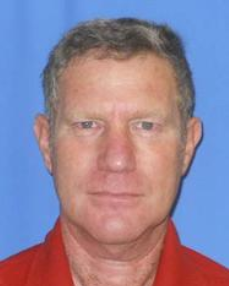 COL (ret) Fred Stein served 27 years active-duty Army and commanded at all levels from company through brigade. He served in multiple staff positions including Senior Communications staff, J6, for Operation Support Hope in Rwanda and Operation Enduring Freedom in Bosnia. He has presented lectures to the Swedish and Japanese parliaments on the Information Age, co-authored Network Centric Warfare and has taught LLGTX courses on military topics.
 China: History, Economics, and Military Today with Dr. Stephen Benold
Mondays, 10:15 – 11:15 AM
Sun City Ballroom
In Person Only
Beginning with an overview of Chinese history and culture, this course examines China’s current status in economics, technology, demographics, and military affairs. Additional topics include religion, the environment, and foreign relations.
Designed for those interested in China’s rise to world power, the course provides a foundation for critically assessing news and developments in U.S.–China relations.
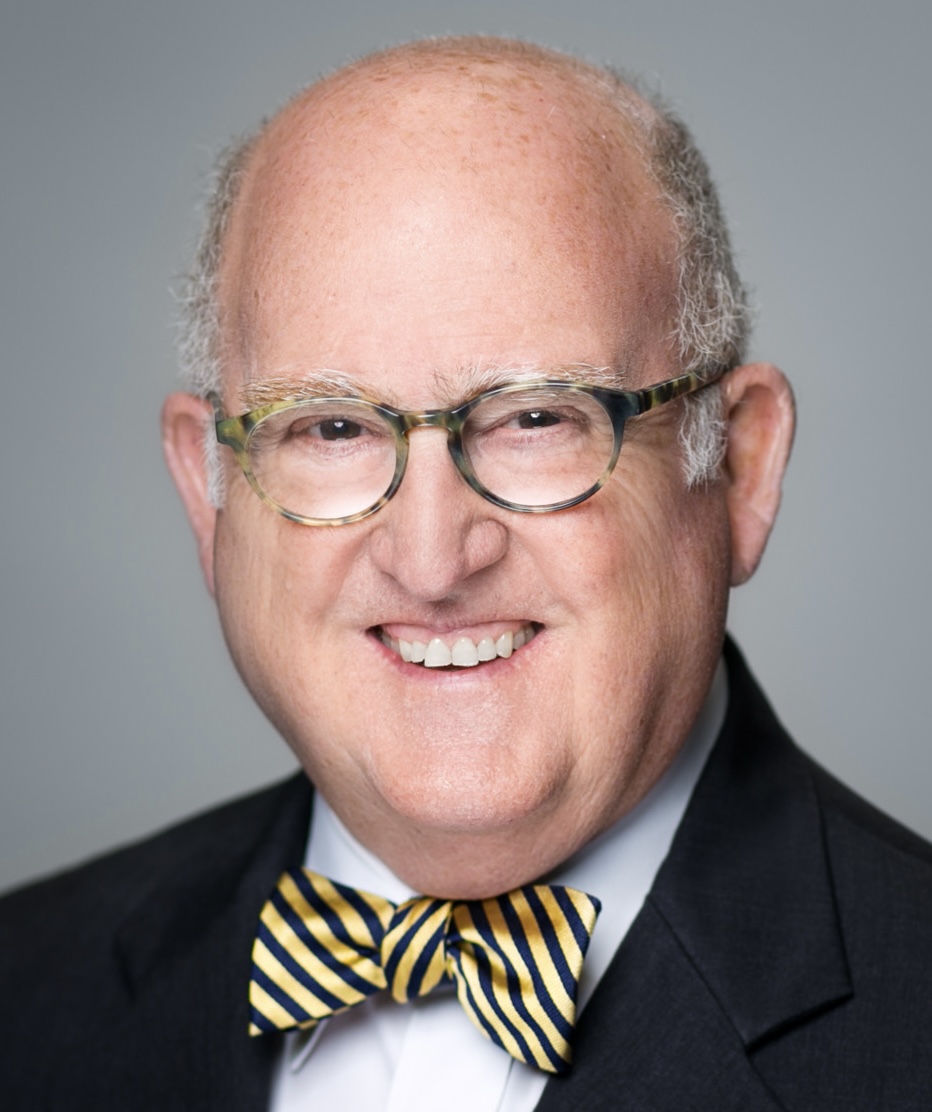 Dr. Stephen Benold has been teaching economics and various other courses at Senior University for 25 years. He earned his undergraduate degree in economics from Rice University, where he was honored as the Hayden Honor Scholar in Economics. As the Medical Director of Williamson County EMS, he significantly improved emergency medical services in the region. Currently, he maintains a private financial practice. Dr. Benold is passionate about teaching and enjoys sharing his knowledge and experience with his students, fostering a dynamic and engaging learning environment.
 Travel to an Exoplanet with Hank Haliasz
Mondays, 1:00 – 2:00 PM
Georgetown Public Library Hewlett Room
In Person and On-Demand
Explore the possibilities of interstellar travel with Project Chrysalis, an award-winning concept for reaching planets orbiting distant stars. This class will share the visionary plan developed by a team of experts, challenging assumptions about what’s possible in space exploration. If you thought landing on Mars was ambitious, Project Chrysalis will expand your imagination even further.
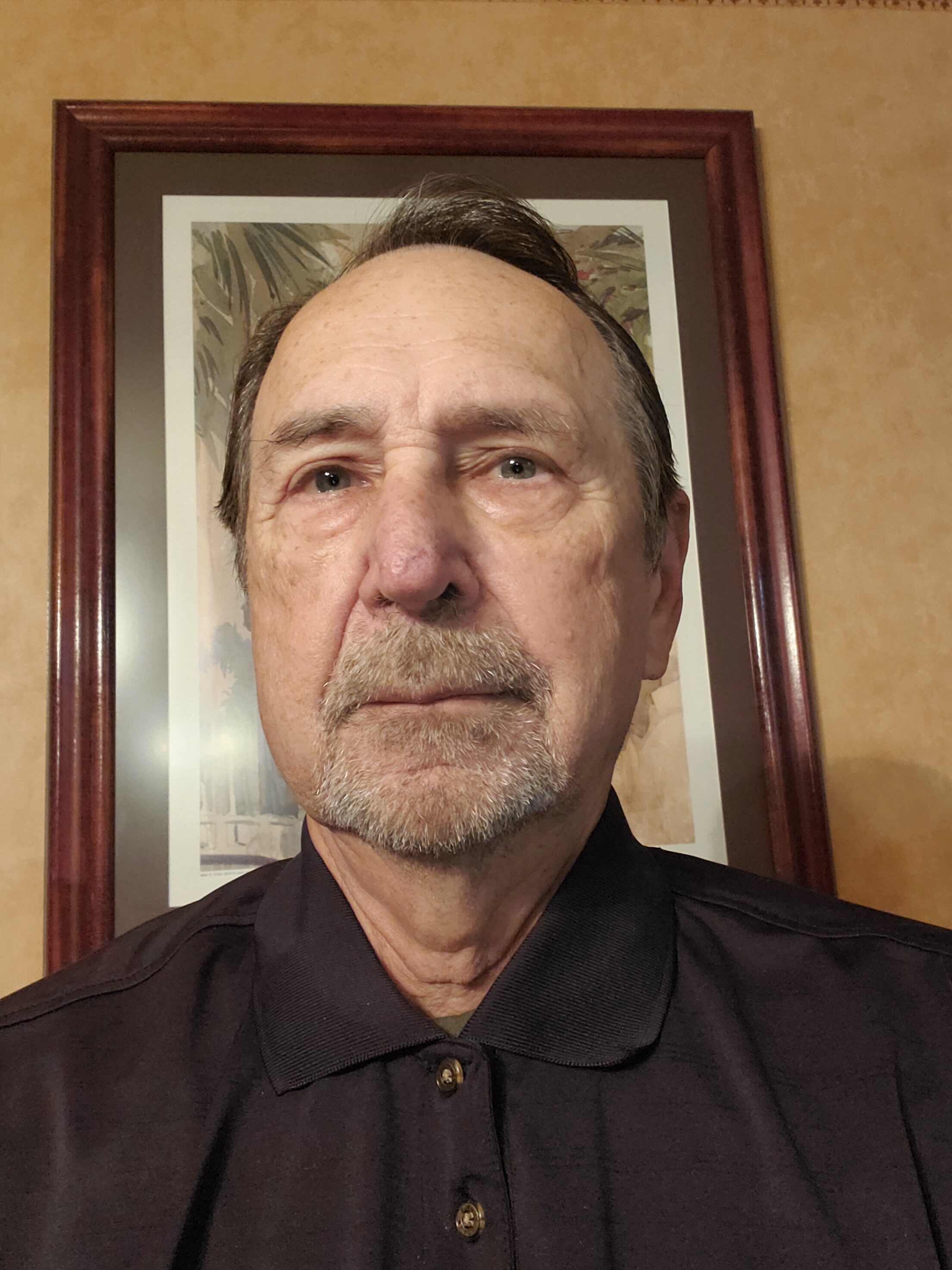 Hank Haliasz is a 21-year instructor for Senior University/LLGTX, a retired USAF Officer and IBM Senior Executive Project Manager. After his two retirements and through his own S-Corp, he has traveled the country for 17 years instructing the largest corporations on Project Management. Hank has authored 5 books and is a frequent lecturer to local groups such as the Salon at Wildfire, other educational organizations, Osher Lifelong Learning Institute at the University of Texas, and Southwestern University.
TUESDAYS (Click HERE to jump to the registration page)
 How AI is Reshaping the World: Two Sessions
(Set 1 – James Paik: 1/27, 2/3, 2/10 – Set 2 – Dr. Christie Parker-Wheeler: 2/17, 2/24)
Tuesdays, 9:00 – 10:00 AM
First Baptist Church of Georgetown – Room E1-216
In Person Only
Set 1: Money, Stock Market, and US/China with James Paik
Week 1 – Jan 27, AI as the New Money – The Economic Paradigm Shift
Week 2 – Feb 3, China’s AI Challenges vs. the American AI
As artificial intelligence reshapes the global balance of power, the race for AI leadership intensifies
Week 3 – Feb 10, U.S. AI Policy and the Stock Market
Artificial intelligence is not just reshaping technology – it is rewriting the rules of policy
Set 2: AI: Smart Tools, and AI in Schools and Work with Dr. Christie Parker-Wheeler
Week 4 – Feb 17, The Future of Work and Learning in the Age of AI.
This class explores the future as AI becomes a daily partner in problem-solving, communication, creativity, and decision-making. Discover how AI is transforming careers, reshaping education, and creating new opportunities for all ages. Learn about real-world tools, future trends, and practical steps to stay confident and adaptable in an AI-driven world—no technical background required.
Week 5 – Feb 24, Beyond ChatGPT: Smarter Tools, Bigger Impact!
Discover advanced AI tools that go far beyond ChatGPT in this fast-paced, practical class. Learn how accessible technologies are helping people save time, solve problems, stay organized, and spark creativity. Explore tools for writing, research, images, audio, planning, and productivity—no technical background required. Leave with a toolkit of easy-to-use AI resources and the confidence to apply them right away.
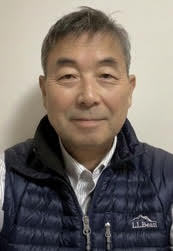 James Paik is a seasoned computer systems engineer with expertise in Networking and AI. Having held numerous executive roles at Samsung Electronics, he has garnered extensive experience in both technology and business realms. Presently, James is engaged in providing consulting services to enterprises in the field of AI and business development.
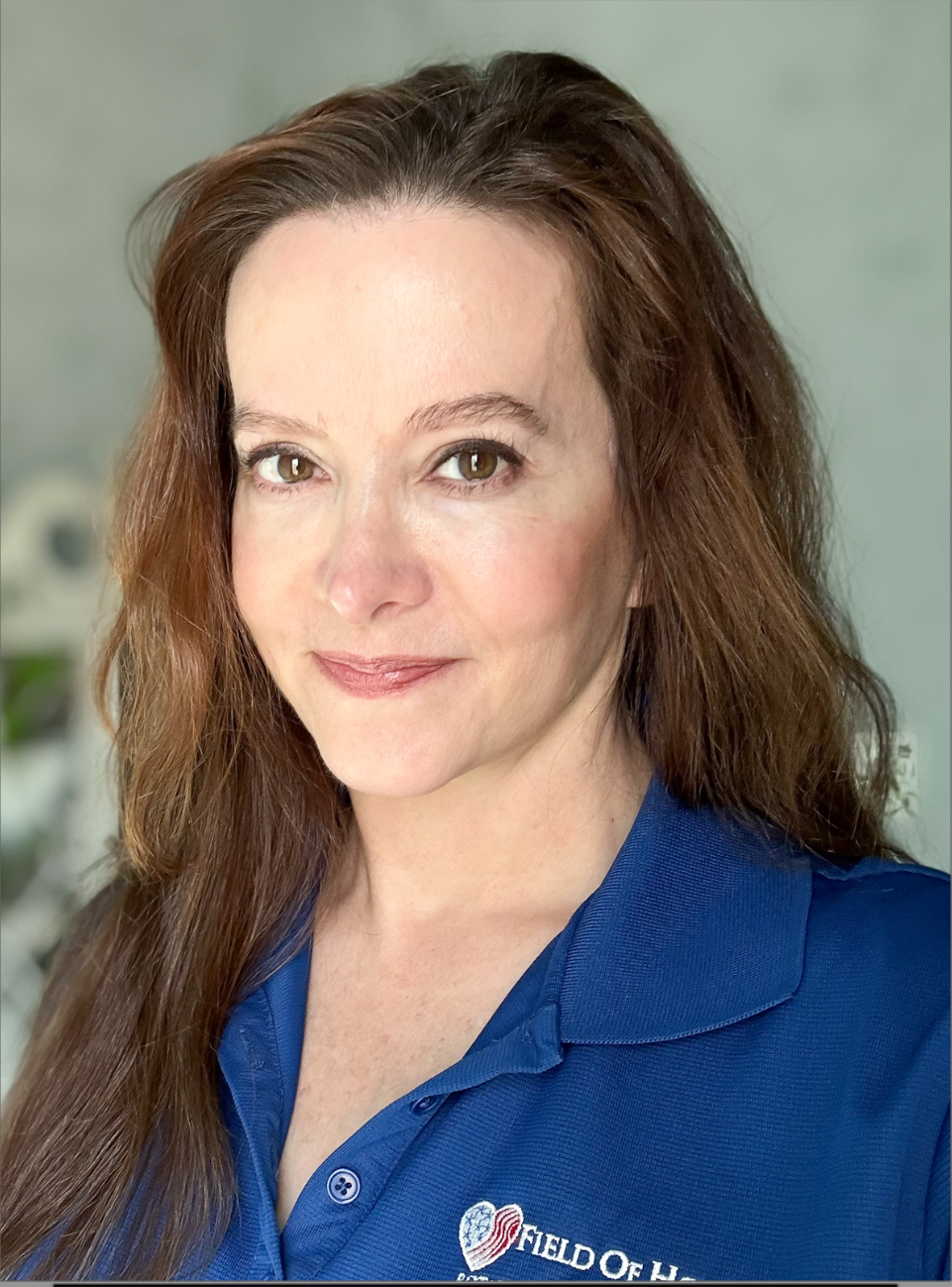 Dr. Christie Parker-Wheeler is a retired U.S. Air Force Master Sergeant with over 20 years of experience in military intelligence, public speaking, and leadership. She holds a Doctorate in Education and enjoys teaching adult learners, where her practical, approachable style makes complex topics easy to understand. Christie specializes in helping people use AI tools to improve productivity, creativity, and confidence—no technical background required.
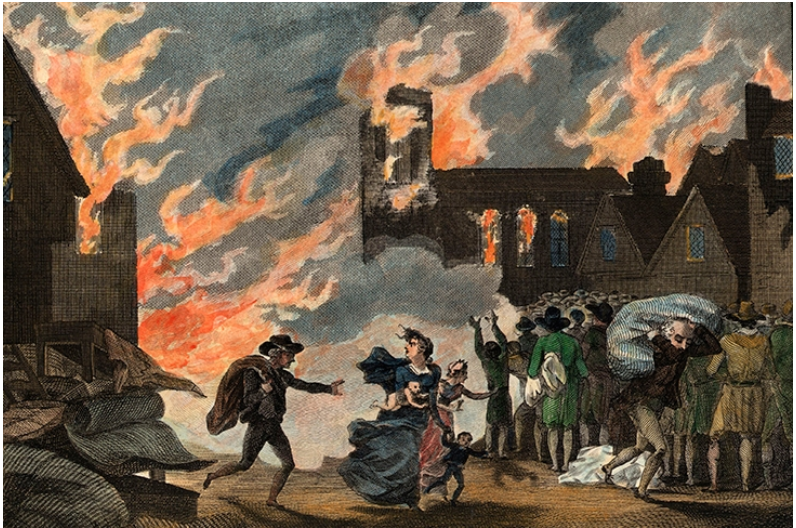 Samuel Pepys’ London: Fire, Plague, and Revolution with Jody Patterson
Tuesdays, 10:30 – 11:30 AM
First Baptist Church of Georgetown, Room E1-216
In Person and On-Demand
Step into seventeenth-century London—a city shaped by monarchs, civil war, plague, and fire—through the eyes of Samuel Pepys (pronounced Peeps). His famous diary captures both the public dramas of his age and his private world, offering vivid insights into a transformative era. This course invites you to explore Pepys’ London, meet the man behind the journal, and discover the moments that defined a century. No passport or powdered wig required.
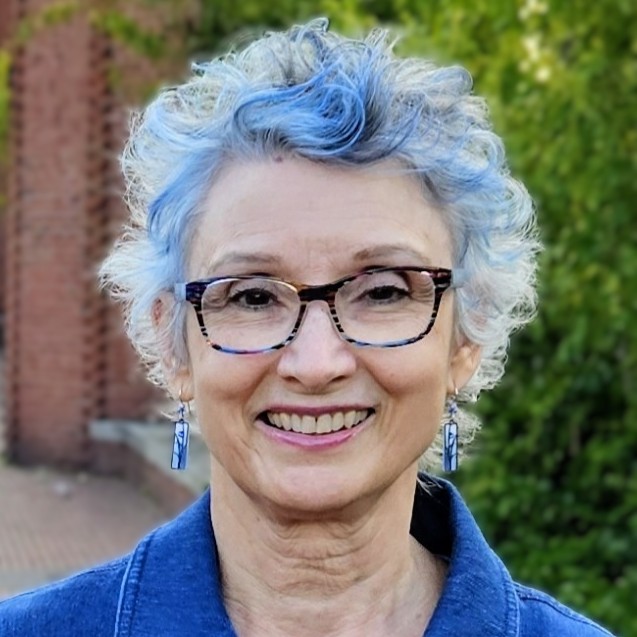 Jody Patterson has shared her love of history, language, and literature through her previous courses: The Story of English and Shakespeare’s World. Now, with The Diary of Samuel Pepys, she is excited to share the story of someone who, while much more obscure historically than William Shakespeare, vividly carries us from Shakespeare’s Elizabethan England into the very different world of Stuart England.
 Eastern Traditions
Tuesdays, 10:30 – 11:30 AM
First Baptist Church of Georgetown, Room E2 108-110
In Person Only
In these sessions, we will have an ongoing exploration of Eastern traditions from a personal perspective. Theories of existence; Eastern creation stories; The Vedas, Upanishads and Vedanta; Practices of Meditation; Buddhism and the Four Noble Truths; Hinduism and the Hindu Gods and Deities. We will relate these explorations to our own self-explorations. So, before the first session, think about what you want to explore. Note–we are not judging right or wrong; we are exploring Eastern Traditions from a personal perspective.
This is a participatory, interactive experience and the enrollment is limited to 15 participants.
Herman Matthews has a PhD in Physics and was on the faculty at four major Universities in the US. He then resigned from academia and was self-employed for 35 years. He was a consultant, produced video and designed and facilitated several hundred workshops and seminars using experiential and non-traditional learning. Herman has worked with many diverse corporations, organizations, cultures, traditions and individuals both in the US and India.
 Introduction to the Italian Language with Michael D’Amelio
Tuesdays, 1:00 – 3:00 PM (2 hours), Georgetown Public Library – Room 206
Thursdays, 10:30 – 12:00 PM (90 minutes), The Oscar at Georgetown – 3rd Floor Meeting Room
In Person Only
This course is for beginners, people with some prior exposure, or people who have been away from the Italian language for a long time and want to pick it up again. The class will start with the basics and expand from there. Come learn one of the most beautiful languages in the world and prepare for more enhanced and intimate interactions during travels to Italy!!
The class will meet on both Tuesdays and Thursdays, and enrollment is limited to 10 participants.
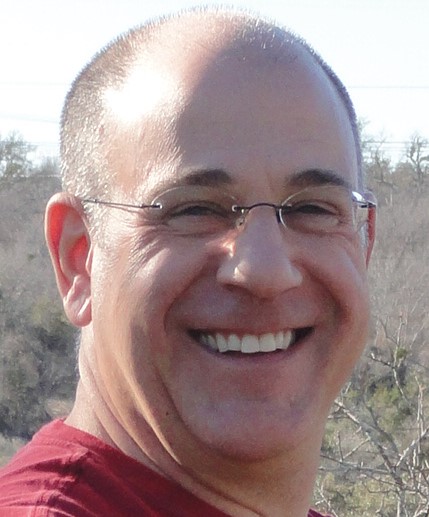 Mike D’Amelio grew up with significant Italian language exposure, then supplemented that with formal training over the years in both the US and in Italy. These days, he goes to Italy every year for about 6 weeks.
WEDNESDAYS (Click HERE to jump to the registration page)
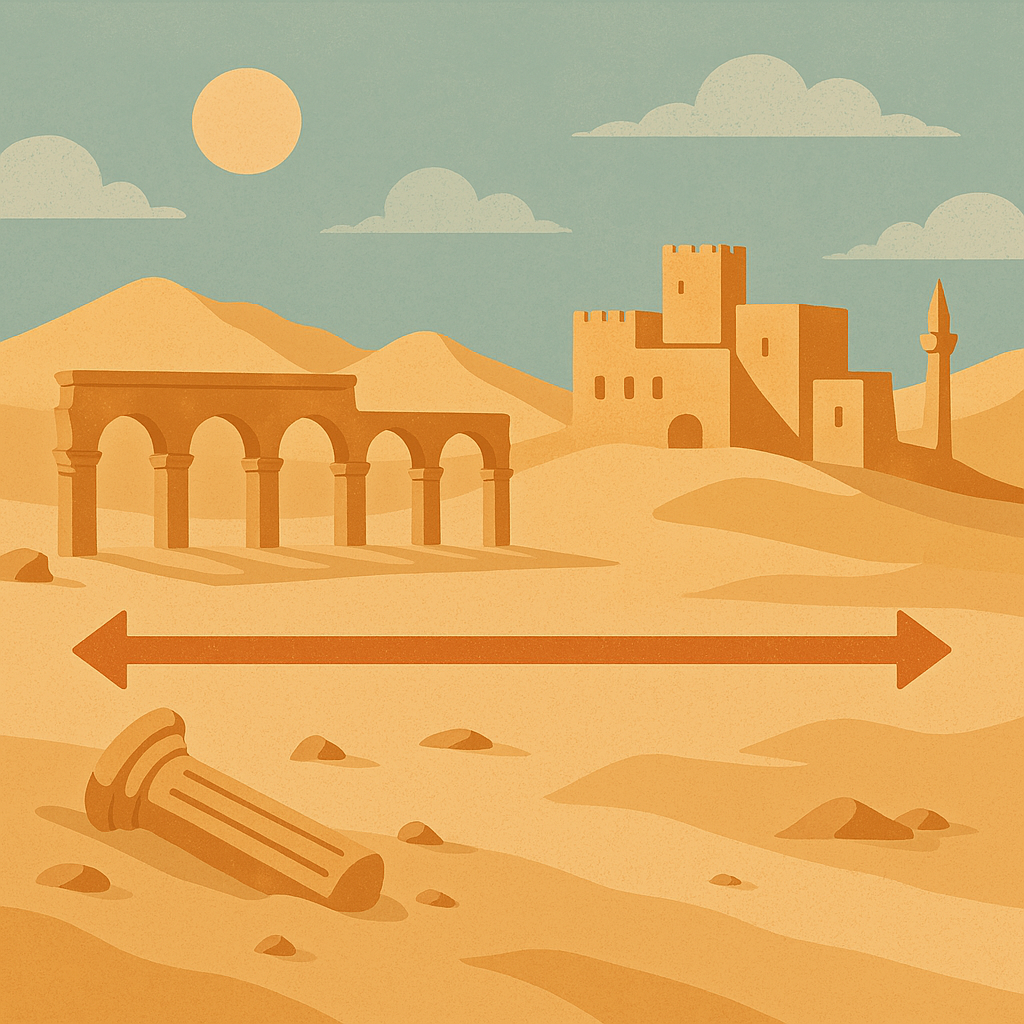 The Middle East from Alexander to the Ottomans with Dr. Clark Wernecke
Wednesdays, 9:00 – 10:00 AM
The Oscar at Georgetown, Theater
In Person and On-Demand
Often called the Cradle of Civilization, the Middle East witnessed the rise of complex societies and urban centers. Though frequently misunderstood as monolithic in ethnicity, religion, language, and politics, the region is remarkably diverse. This course traces its history from Alexander’s conquest through the eras of Rome, Parthia, Persia, Egypt, the Caliphates, and the Ottoman Empire.
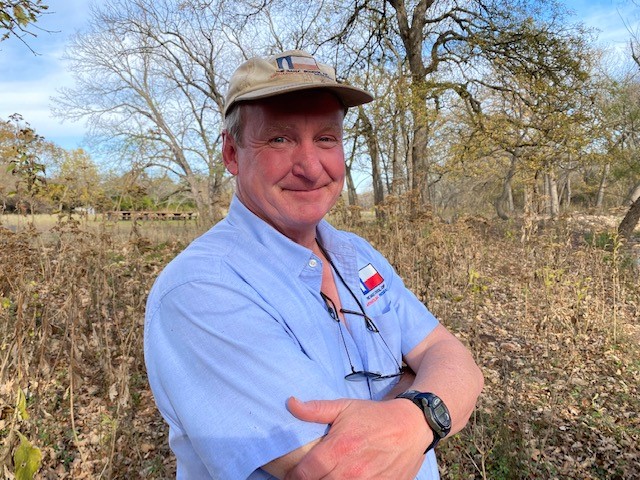 Clark Wernecke had a successful career in business before returning to school for archaeology. He retired in 2022 as Director of the Prehistory Research Project at The University of Texas at Austin and as Executive Director for the Gault School of Archaeological Research. He is currently a director of the Texas Historical Foundation and on the editorial boards of several magazines and journals covering history and archaeology.
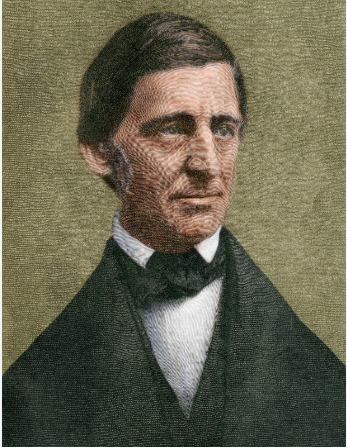 Emerson and Transcendentalism with Dr. Roberta Turnbull-Ray
Wednesdays, 9:00 – 10:00 AM
The Oscar at Georgetown, Third Floor Meeting Room
In Person and On-Demand
Ralph Waldo Emerson was one of the most influential lecturers and writers of 19th-century America, shaping the nation’s intellectual life. In the 20th century, nearly everyone—self-taught or formally educated—was familiar with at least one of Emerson’s essays and the philosophy of Transcendentalism. Emerson focused on the individual’s relationship to God, nature, truth, and others. This course will explore Emerson’s major ideas and their relevance to the challenges of the 21st century.
Dr. Roberta Turnbull-Ray’s journey with Emerson began at age of 12, when her father, a truck driver in Los Angeles, said it was time that she read Emerson’s essays. After reading all of Emerson’s works, Dr. Turnbull-Ray completed a Ph.D. dissertation on Emerson at the University of Southern California. Over a distinguished 46-year career teaching communications at Montana Technological University, Dr. Turnbull-Ray has published and presented widely on Emerson’s significance, including recent presentations at Queen Mary University in London.
 Political Ideologies: The Search for Meaning with Dr. John Ray
Wednesdays, 10:30 – 12:00 PM (90 Minutes)
The Oscar at Georgetown, Theater
In Person and On-Demand
The 19th, 20th, and 21st centuries have been marked by competing political ideologies. These ideologies help us explain and evaluate current political events and offer blueprints for the future, motivating followers along the way. This class will examine major political ideologies of the recent past and present—Anarchism, Marxism and Socialism, Liberalism, Conservatism, and Fascism—with the goal of understanding the fundamental ideas and principles of each, explained objectively and on their own terms.
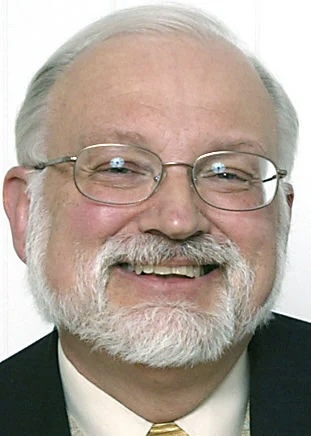 Dr. John W. Ray is a professor emeritus of political science and philosophy at Montana Technological University where he taught for 47 years. His areas of teaching and research were political philosophy, political science and philosophy. His publications centered on the areas of democratic decision making, ethics and politics, law and politics and the basis of the state and political community. He has taught several Lifelong Learners courses in Georgetown on politics, ethics and philosophy.
 Reader’s Circle: Short Stories from Around the World with Susan Patterson
Wednesdays, 10:30 – 11:30 AM
The Oscar at Georgetown, 3rd Floor Meeting Room
In Person Only
Last winter, we began exploring the short story with a focus on American masters. This term, we’ll turn to writers from around the world—including the Russians, Kafka, Joyce, de Maupassant, and more. Each week, you’ll receive a reading assignment (typically three stories, 40–70 pages) as PDFs or online links. Come to class ready to share your experiences and insights—there are no right or wrong answers, just lively discussion. Join the Reader’s Circle!
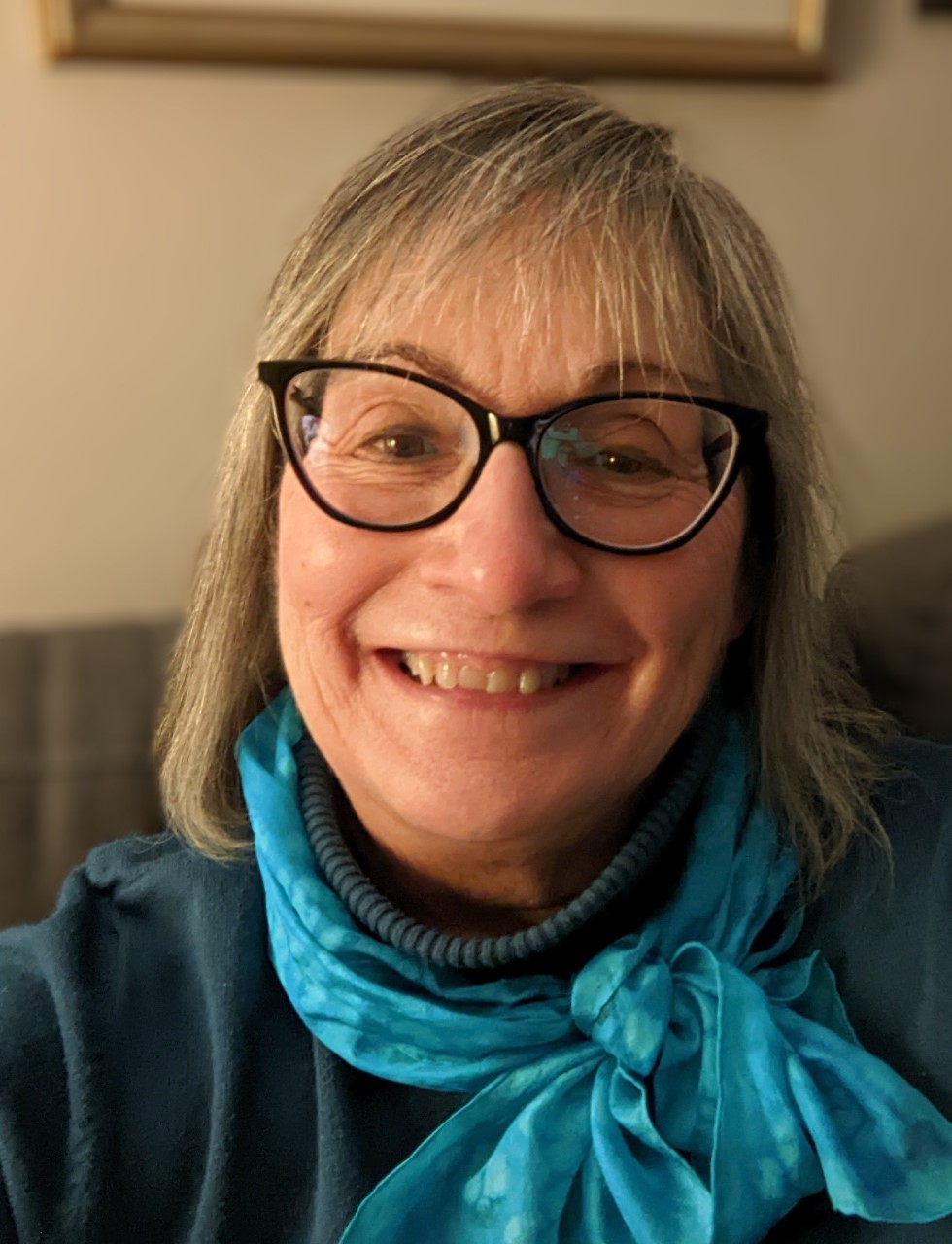 Susan Patterson is a retired attorney who relocated to Georgetown from Asheville, NC. She holds a B.A. in English literature from Duke University and a law degree from Stetson University College of Law. In addition to her legal career, Susan Patterson has worked as a bookstore owner and school librarian. She has taught courses for Lifelong Learners and UT Ollie on topics including detective fiction, Broadway musicals, and voting rights. Her love of literature and learning continues—she still hums “Goin’ to Carolina in My Mind” in her sleep.
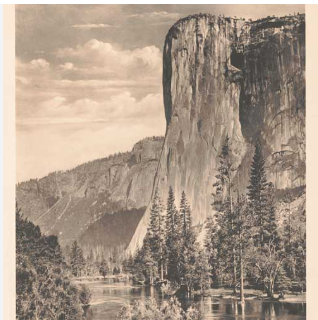 Early Conservationists and the Fight to Protect Nature with Ellen Davis
Wednesdays, 1:00 – 2:00 PM
The Oscar at Georgetown, Theater
In Person and On-Demand
Today, we take places like Yellowstone, Yosemite, and Glacier National Parks for granted, but their creation was made possible by a small group of late 19th-century conservationists who recognized the value of preserving public lands. This course highlights figures such as John Muir, George Grinnell, Gifford Pinchot, and Theodore Roosevelt, who fought special interests to protect these natural treasures for everyone.
 Ellen Davis retired in 2021 after a distinguished career in public relations and marketing for various colleges and universities across Texas. Her interest in the environmental movement began in 1989 when she joined the Sierra Club. Ellen Davis is now teaching her fourth class for Lifelong Learners GTX.
 Fascinating Potpourri I
Wednesdays, 2:15 – 3:15 PM
The Oscar at Georgetown, Theater
In Person
January 28: Growth and Its Effect on Policing in Georgetown – Police Chief Cory Tchida
Chief Cory J. Tchida will explore how Georgetown’s transformation from a small town of 5,000 to a city of over 100,000 has driven significant changes within the Georgetown Police Department. Topics include the creation of specialized units such as Victim Services and Mental Health, the use of new station houses to improve response times, the department’s commitment to advanced training and state-of-the-art facilities, the thorough recruitment and training process, and ways the community can support local law enforcement.
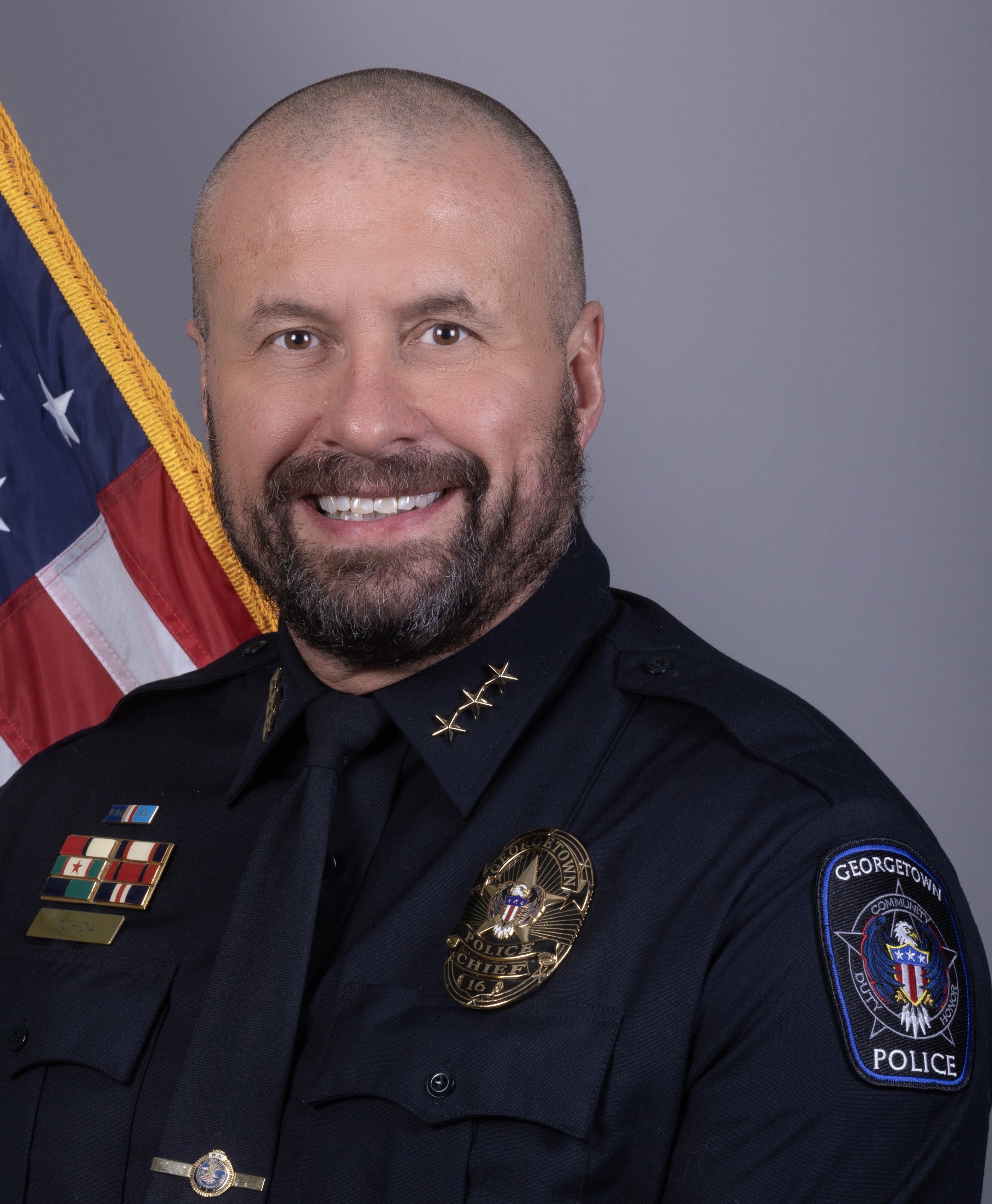 Chief Cory J. Tchida brings over 27 years of dedicated service to the Georgetown Police Department, rising through the ranks from patrol officer to Chief of Police. Currently, Chief Tchida oversees all day-to-day operations of the department, ensuring effective leadership and management. An experienced instructor, Chief Tchida has taught numerous law enforcement courses and remains committed to advancing the profession in Georgetown. His exemplary work has earned him multiple honors, including the Georgetown Police Chief’s Award, Citizen of the Year, and Manager of the Year. Chief Tchida holds degrees in criminal justice and government, and is a graduate of Northwestern University’s School of Police Staff and Command as well as the FBI National Academy.
February 4: The Nabateans and Their Cities of Petra and Hegra – Dr. Andy Dearman (90 Minutes)
The Nabataeans, an early Arab tribal association, controlled key trading routes in Arabia from 200 BCE to 100 CE before coming under Roman rule. The remains of their primary cities, Petra (Jordan) and Hegra (Saudi Arabia), showcase their remarkable architectural and cultural achievements. This illustrated presentation will explore the history of the Nabataeans through these enduring cultural landmarks.
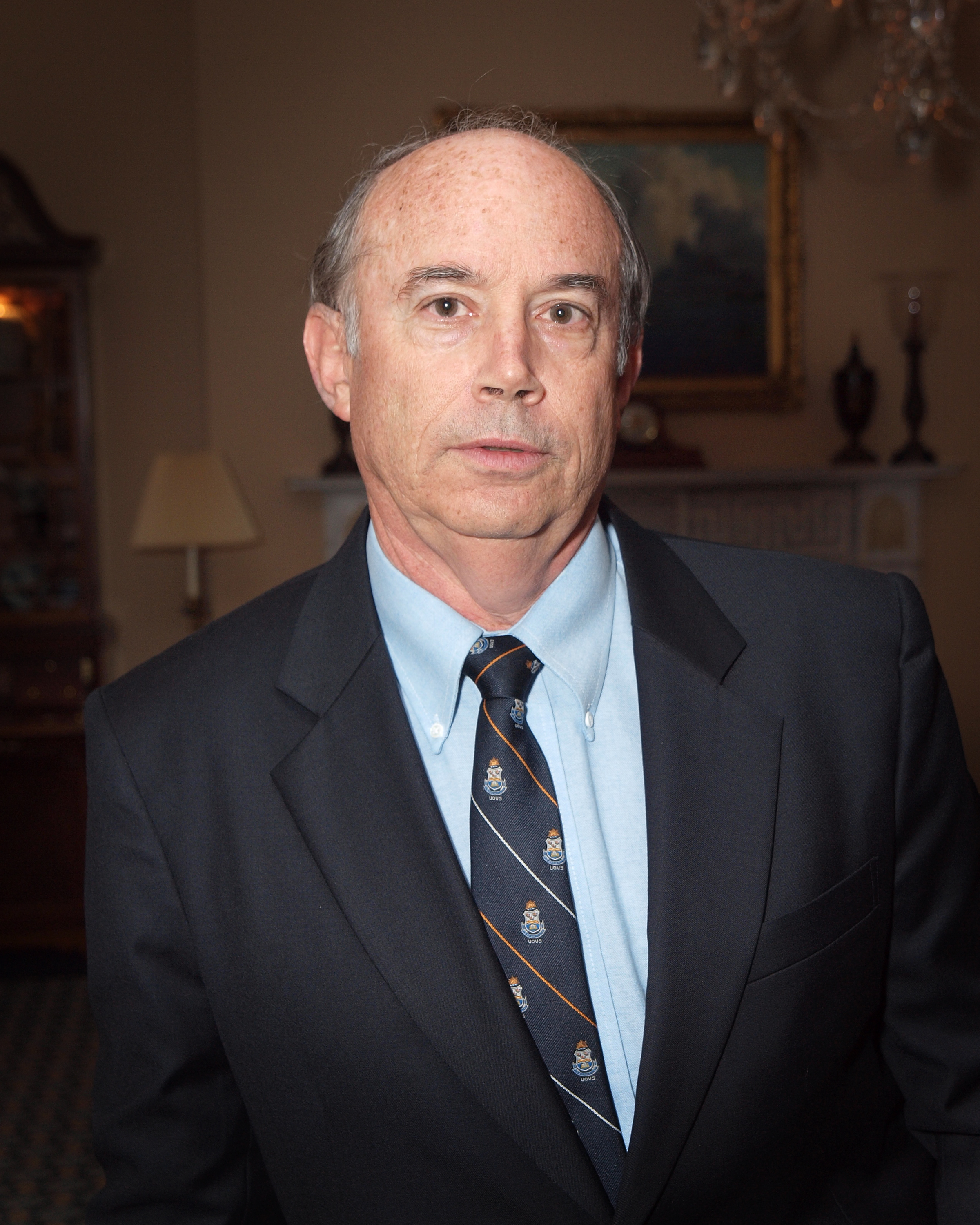
Dr. Andy Dearman is a retired university and seminary professor and an archaeological researcher specializing in the Eastern Mediterranean. With broad experience in archaeological projects throughout the Ancient Near East, Dr. Andy Dearman is also the author of several books.
February 11: An African-American Family’s Journey Through U.S. History – Chuck Collins
Experience American history from a unique perspective as we explore the nation’s past through the stories of one African-American family. This course traces generations, highlighting how major historical events—slavery, emancipation, migration, civil rights, and contemporary challenges—shaped their lives and the broader American experience. Through personal narratives, participants will gain insight into the resilience, contributions, and evolving identity of African-Americans in the United States.
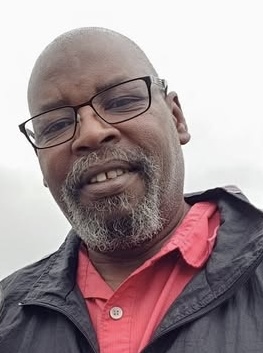 Chuck Collins is a veteran and former software engineer who currently works with GTX Connect, a nonprofit organization dedicated to nurturing community groups and their projects. Through his work at GTX Connect, Chuck supports the growth and development of local initiatives, helping communities thrive.
February 18: Women in Service to America-Vietnam – Brenda Alicea
Brenda will discuss her role as the Executive Officer and Team Leader of the U.S. Army Central Identification Laboratory in the Defense POW/MIA Account Agency (DPAA) mission of accounting for all Americans missing as a result of our nation’s past conflicts. The session will address:
How many are still missing?
What is the recovery and identification process? Closure?
Is there host nation support? Who is on a recovery team?
Is the mission ongoing? Where?
Lieutenant Colonel (retired) Brenda Alicea served 23 years in the U.S. Army in a variety of roles including Senior Logistics Manager for the 13th Corps Support Command at Ft. Hood and Executive Officer/Team Leader of the U.S. Army Central Identification Laboratory with the mission to search for, recover, and identify U.S. casualties from WWII, Korea, and Vietnam. Brenda is a graduate of Michigan State University with a bachelor’s degree in Speech Communications and a master’s degree in Secondary Education.
February 25: Kindertransport: Heroic Children’s Rescue Mission – Claudia Loewenstein
The Kindertransport was one of the most inspiring rescue missions of the 20th century, saving nearly 10,000 children from Nazi terror. This presentation explores how the Kindertransport began, who made it possible, and what this humanitarian effort achieved. Through the story of one family’s escape from Germany after Kristallnacht in 1939—told by a second-generation family member—history comes alive through personal narratives, original documents, published accounts, and video. This is a unique opportunity to learn about an extraordinary act of rescue and courage.
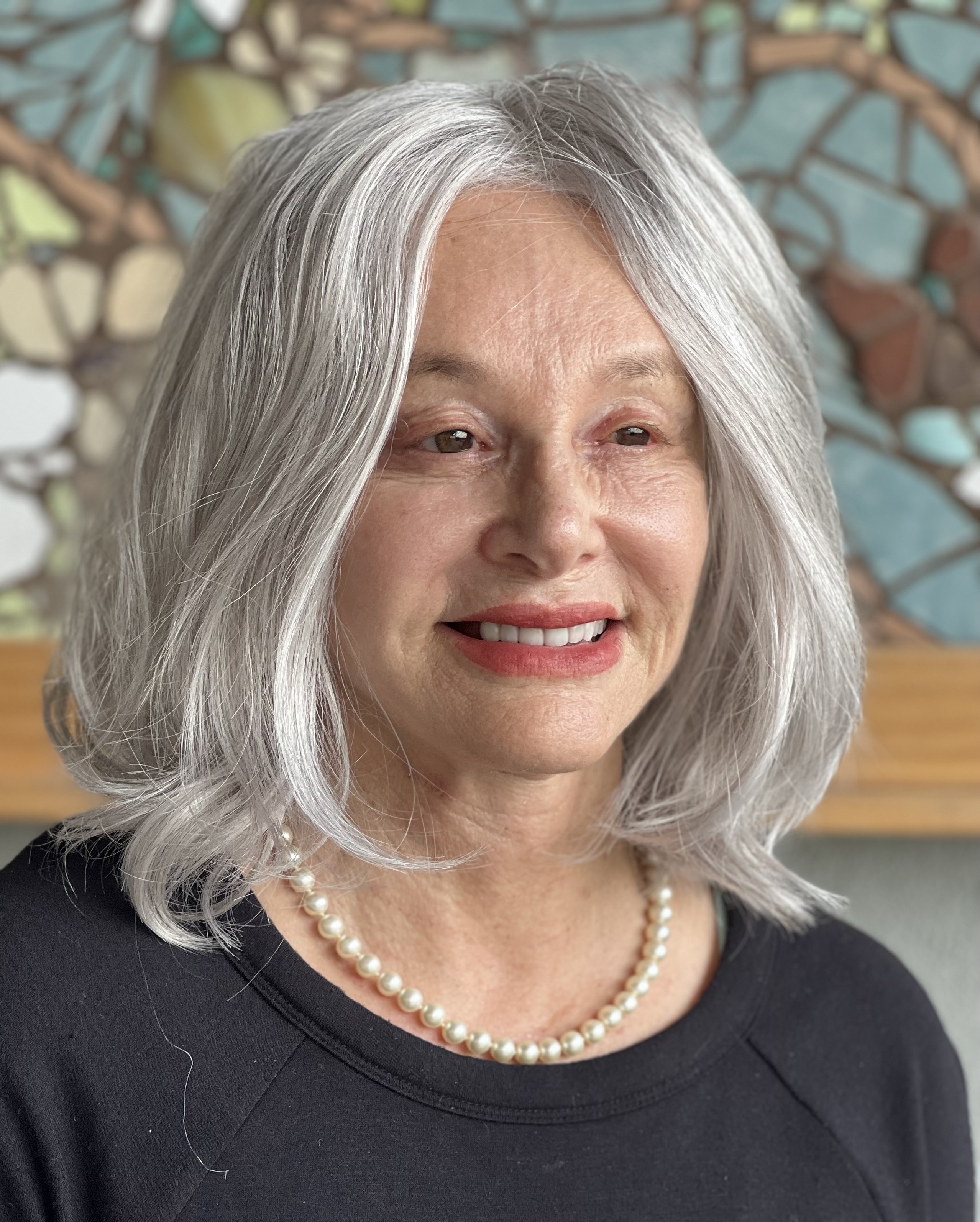 Claudia Loewenstein was born in Santiago, Chile, the daughter of German Jews who narrowly escaped Nazi Germany and fled to Chile in 1939. Before retiring, she taught Spanish and French for 25 years at the Greenhill School in Dallas, TX. Claudia Loewenstein is a published freelance journalist and a vetted speaker for the Texas Holocaust Genocide Antisemitic Advisory Commission. She earned her master’s degree from La Sorbonne in Paris through Middlebury College.
THURSDAYS (Click HERE to jump to the registration page)
 Worldwide Travel with Barb Larson, Coordinator
Thursdays, 9:00 – 10:00 AM
The Oscar at Georgetown, Theater
In Person and On-Demand
January 29: Memories of Past Travels – Where Am I? – Babs Cape
Having been a travel advisor since 1988 and having traveled extensively, Babs asks you to play this game with her: “Where am I?” You identify the destination as she takes you with her.
February 5: Touring Italy from Rome around the Coast to Venice – Debra Peak
Join us for a cruise around the coast of Italy, from Rom through several ports, on our way to Venice.
February 12: Kenya – Tanzania – Birds and Big Game – Karen McBride
Come and learn about the two best African countries to visit on Safari.
February 19: Seven “One-Off” Stops on Seven Continents – John Dallen
Over years of travel, John Dallen has discovered—sometimes by accident, sometimes by design—remarkable attractions that are less well known and less frequently visited, yet every bit as fascinating as the world’s most famous tourist destinations. In this presentation, John will share examples of these hidden gems from (or near) each of the seven continents, inviting you to explore the extraordinary places that often escape the spotlight.
February 26: A Trip of a Lifetime: Western Africa, South Africa, and United Arab Emirates – Terri and Dennis Boroczk
Join the Boroczks for a sweeping 24-day journey from Namibia’s ancient deserts and the Skeleton Coast, through Botswana’s Okavango Delta and South Africa’s vibrant Cape, to the dazzling cities of Dubai and Abu Dhabi. Experience dramatic landscapes, diverse cultures, and unforgettable stories—no passport required! Terri and Dennis Boroczk are seasoned world travelers and engaging storytellers, known for bringing global adventures to life for their audiences.
 Genealogy including DNA and AI with Alan Rabe
Thursdays, 9:00 – 10:00 AM
The Oscar at Georgetown, Third Floor Meeting Room
In Person and On-Demand
We will start at the novice level of doing genealogy and increase the complexity, showing how to find and document your ancestors. There are several good genealogy sites, but we will start with FamilySearch, which is free, and then review other platforms. Personal recommendations will be given based on your own genealogy. We will end the course discussing DNA and genetic genealogy.
If you wish to take a DNA test, Ancestry or MyHeritage are good choices. They cost around $39 to $49 on sale. It may take about 8 weeks to get results, so do so before the class starts.
Alan Rabe started doing genealogy 55 years ago and has the Rabe line back to 1638 in Germany. He is past president of the Williamson County Genealogical Society and teaches their monthly DNA Special Interest Group. He is also Director of the FamilySearch Center in Georgetown. He is familiar with all genealogy websites and DNA companies.
 How America Ends Its Wars with Dr. Matthew Moten
Thursdays, 10:30 – 12:00 PM (90 Minutes)
The Oscar at Georgetown, Theater
In Person and On-Demand
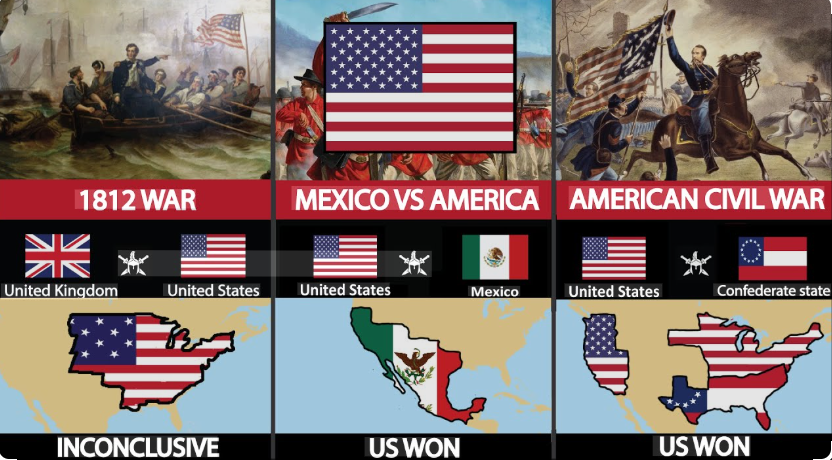
Based on Dr. Moten’s edited volume, Between War and Peace, this course explores the history of war in America. We’ll examine why wars are easier to enter than to end, and how policymakers’ initial aims often differ from the final outcomes. Through the study of six American wars, we’ll seek to understand these complex dynamics.
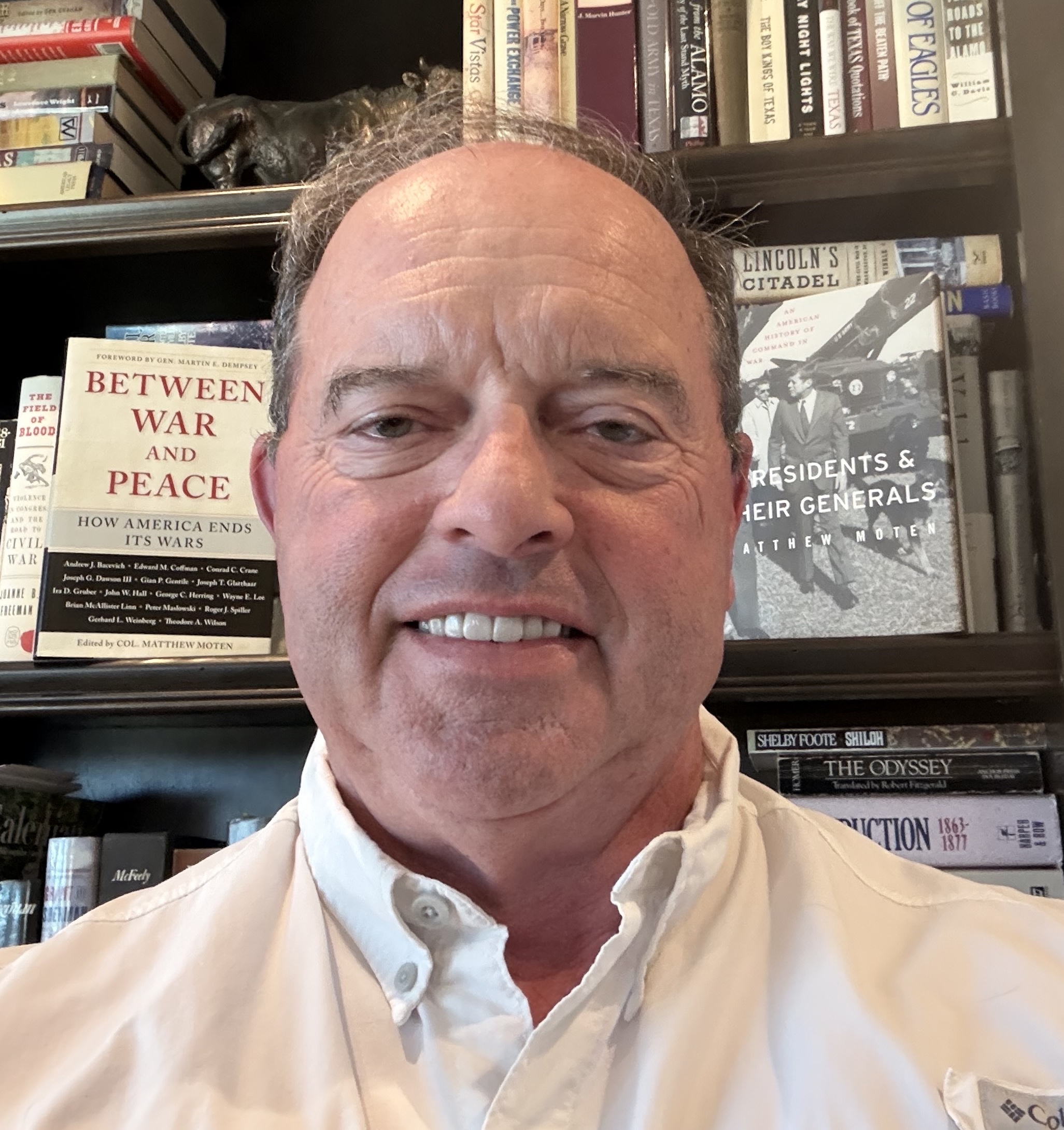 Colonel (Ret.) Matthew Moten is an Iraq war veteran and former head of the Department of History at West Point. He holds a doctorate in history from Rice University and specializes in political-military relations. Colonel Moten is the editor of Between War and Peace: How America Ends Its Wars and the author of Presidents and Their Generals and The Delafield Commission and the American Military Profession. He now divides his time between writing, cattle ranching, and his grandchildren.
 The Invisible World Around Us with Dr. David Niesel
Thursdays, 1:00 – 2:00 PM
The Oscar at Georgetown, Theater
In Person Only
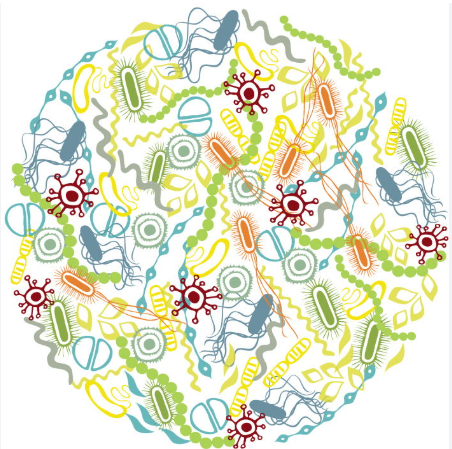
Microbes are both essential allies and potential threats to humans. They sustain our health by forming protective microbiomes on our skin, in our gut, and throughout the environment, but some can also cause disease. This course introduces the invisible world of microbes—their benefits and dangers—exploring how we coexist with our microbiome, harness microbes for our benefit, and defend against harmful pathogens.
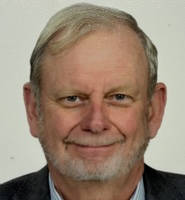 David W. Niesel, Ph.D., joined the UTMB faculty in the Department of Microbiology and Immunology in 1983. He was appointed chairman in 2000. Dr. Niesel received his Ph.D. in 1980 from North Carolina State University. In 1997, he was named Vice Dean for the Graduate School of Biomedical Sciences, becoming Dean in 2013 and the UTMB Chief Research Officer in 2015. He retired in 2021 and remains an Adjunct Professor. Dr. Niesel currently lives in Georgetown, TX.
Fascinating Potpourri II
Thursdays, 2:15 – 3:15 PM
The Oscar at Georgetown, Theater
In Person
January 29: Popular Music: Yours, Mine, and Ours – Dr. David Gaines
Listen to and discuss a wide range of popular American musical performers—from Louis Armstrong, Bing Crosby, and Frank Sinatra to Sam Cooke, Bob Dylan, Taylor Swift, and Jon Batiste. Along the way, we’ll explore the cultural significance of these artists and share our personal favorites. Expect lively conversation—think dancing and singing under a big tent.
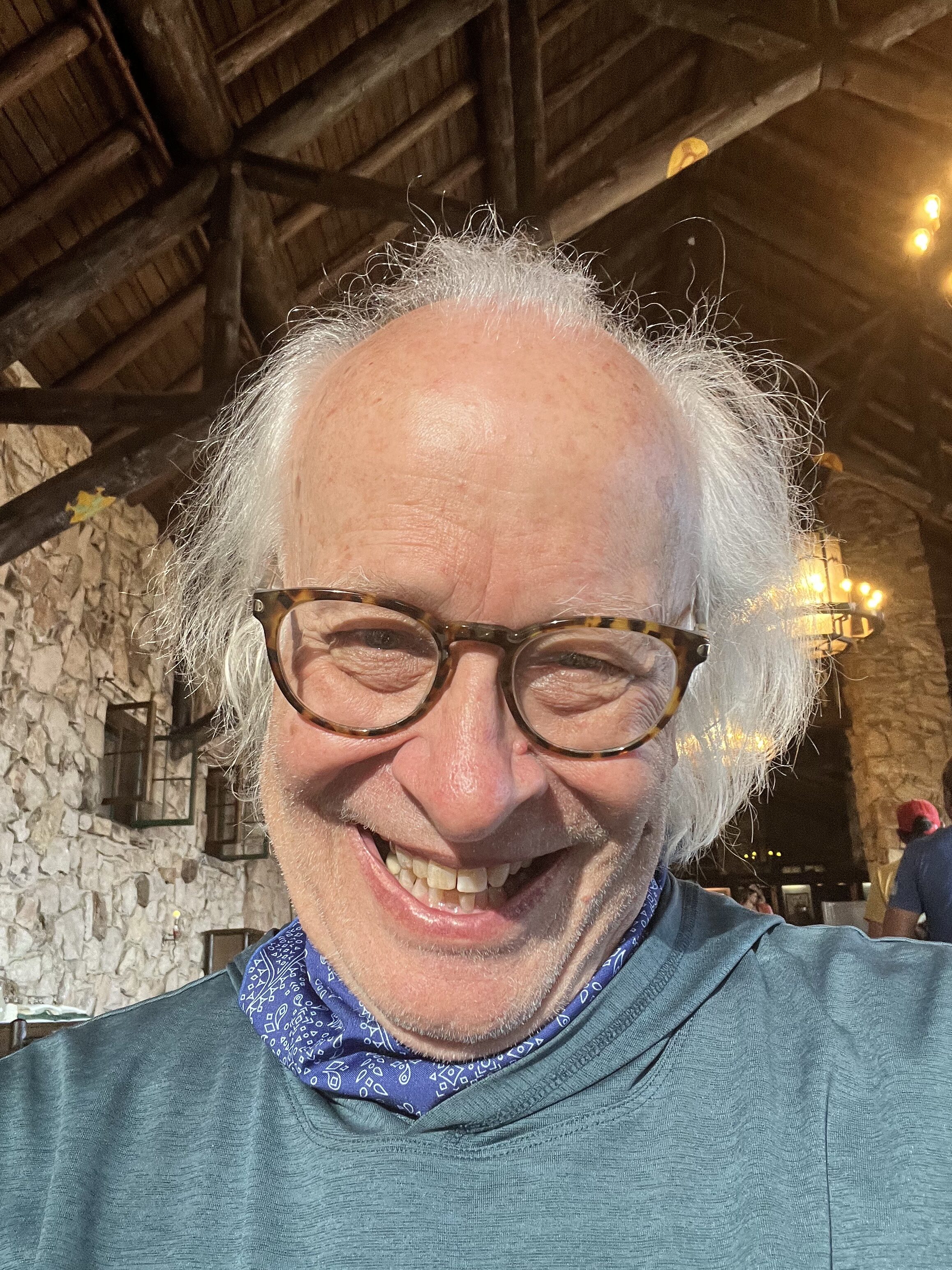 David Gaines graduated from Stanford with a degree in English and earned his PhD in American Studies from The University of Texas at Austin. He has taught in Harlem, at The University of Texas, and for thirty-five years at Southwestern University. Currently Professor Emeritus of English, David Gaines writes occasional freelance articles. His book, In Dylan Town: A Fan’s Life, was published by University of Iowa Press, and his writing has appeared in Texas Monthly, The Wall Street Journal, and elsewhere.
February 5: Georgetown: Frontier Town to Flourishing Community – Ann Evans
Georgetown has been inhabited for thousands of years, evolving from a Texas frontier town into one of the fastest-growing cities in the United States. This course explores Georgetown’s history through the lens of “then and now,” revealing the stories behind popular spots around town. Discover the origins of local landmarks, nightlife on the Square, life at Lake Georgetown before the lake, and the Wolf family whose name graces a shopping center.
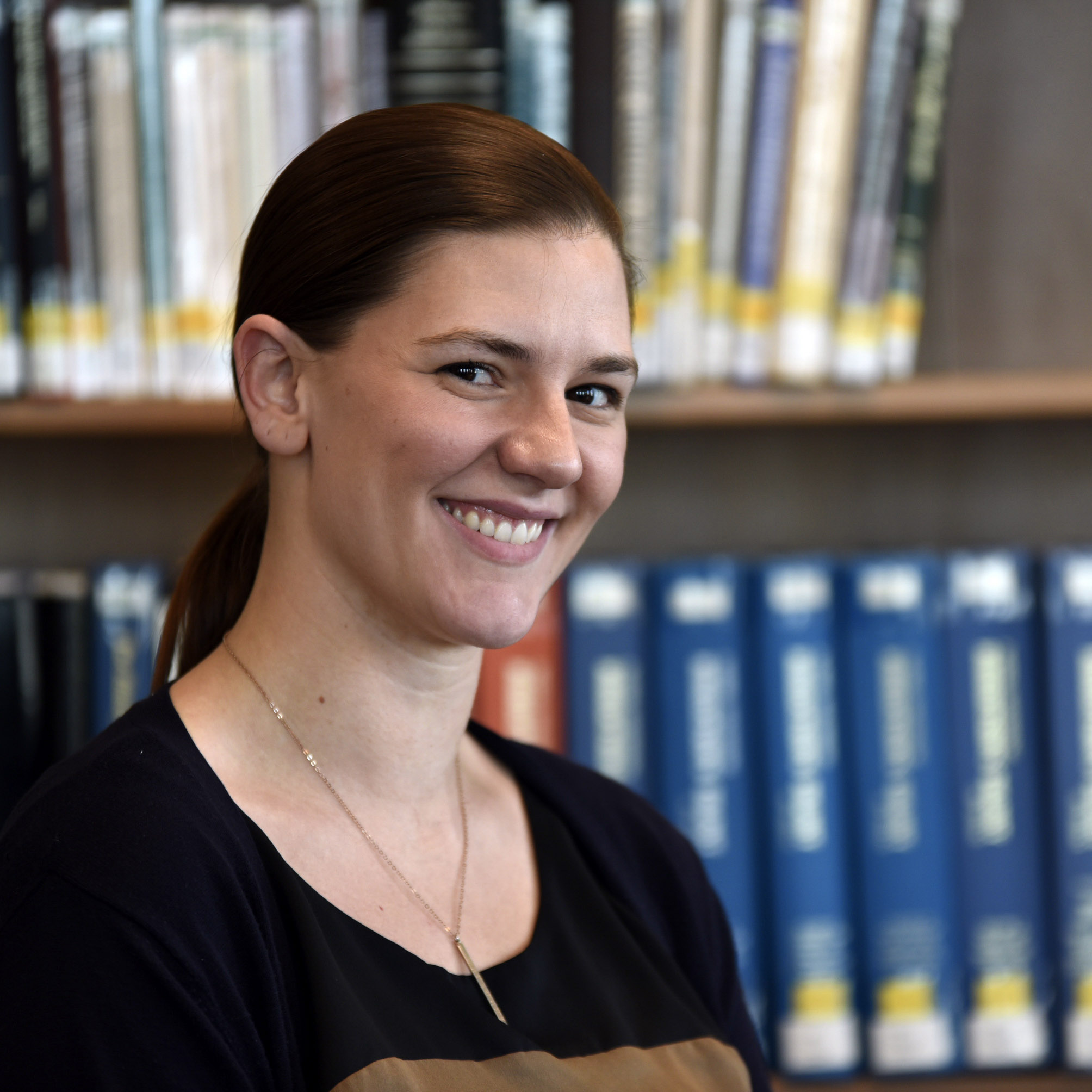
Ann Evans is the Adult Services Librarian at the Georgetown Public Library and a longtime resident of Georgetown. She previously served as Curator at the Williamson Museum, though her passion for local history began long before when she took a walking tour of downtown in third grade. Ann Evans currently lives in Georgetown with her husband, two dogs, and a kitten named Ginger.
February 12: Life on a Nuclear Submarine During the Cold War – Rolland Weibley (90 Minutes)
Life on a nuclear submarine is surrounded by mysteries, myths, and questions. This presentation focuses on the crew’s experiences during extended deployments, covering submarine basics, daily operations, underwater endurance, navigation, staffing, living quarters, food, air, water, communication with family, schedules, special operations, dangers, and other fascinating aspects.
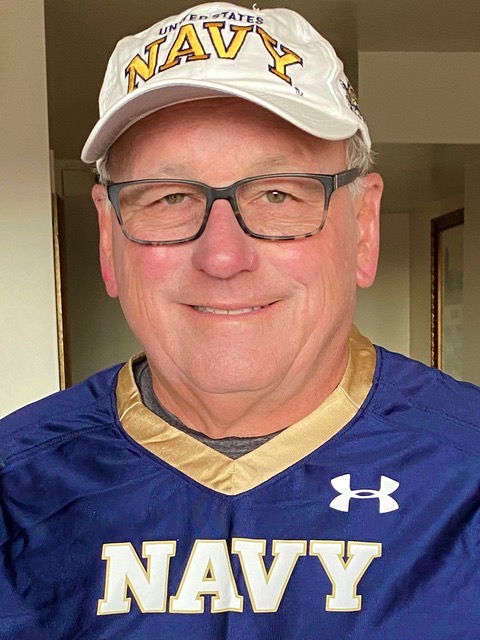 Rolland Weibley is a 1971 graduate of the US Naval Academy and was accepted into the Navy’s Nuclear Power Program by Admiral Rickover. After a year of nuclear training, he was assigned to the USS Pogy (SSN 647) in Pearl Harbor. Rolland Weibley participated in two Western Pacific deployments, earning both his submarine qualifications (“dolphins”) and his ship’s Nuclear Engineering Officer qualification.
February 19: The Changing Nature of Texas – Martin Byhower
Enjoy photographic highlights of Central Texas Wildlife alongside slides illustrating the challenges these species face. Learn what can be done—individually, locally, and statewide—to improve their chances of recovery.
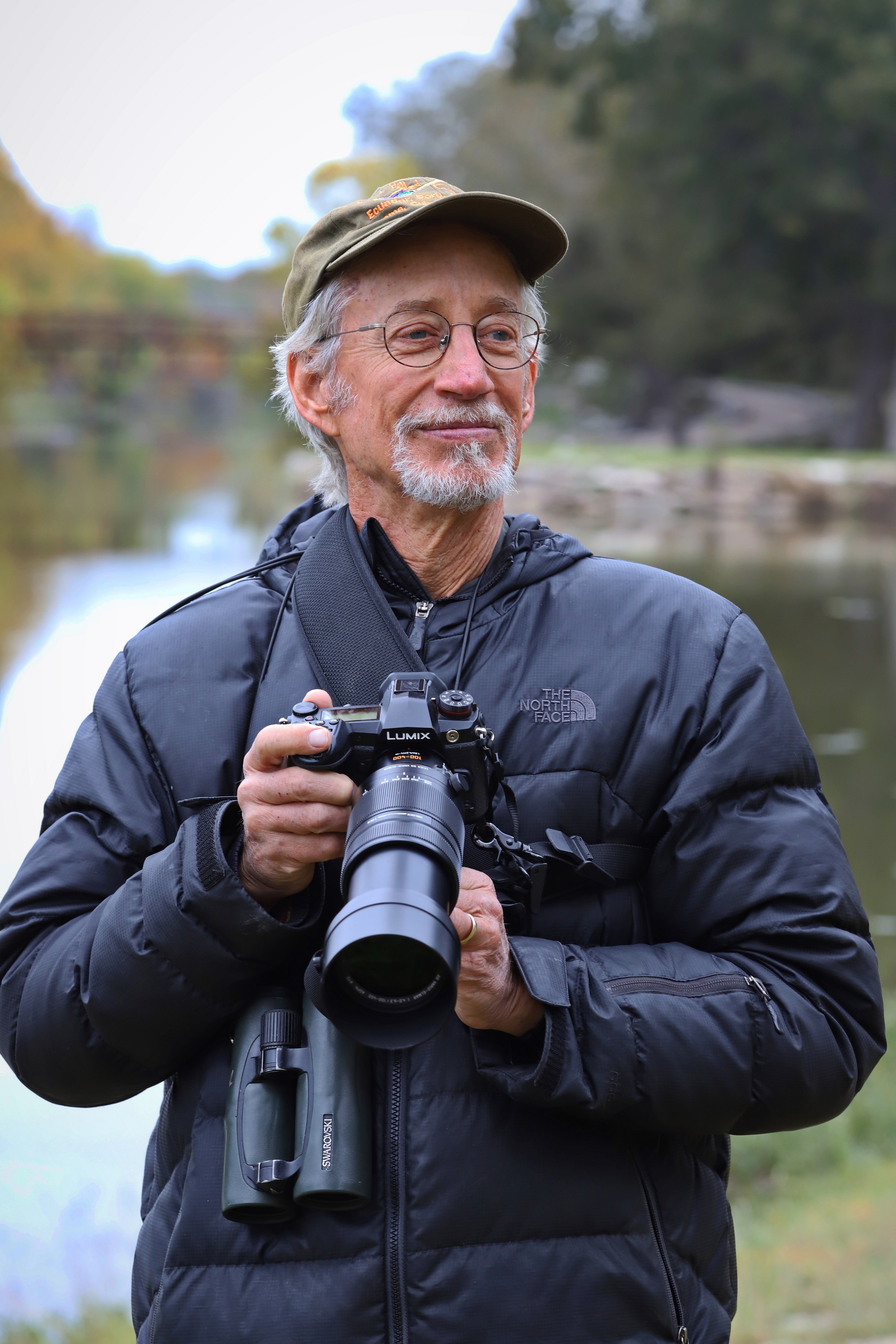 Martin Byhower taught science, led birding tours, and advocated for environmental causes in Southern California before moving to Sun City in 2015. There, he started a native plant landscaping business while continuing his work as a birding guide. Martin Byhower is a Master Naturalist who remains active in protecting nature and wildlife in Central Texas, leading bird walks for the Sun City Nature Club twice a month and participating in the Sun City Garden Club and Sun City Recycles.
February 26: Aldo Leopold and the Wilderness Act of 1964 – Ellen Davis
This class serves as an epilogue to the Winter 2026 course on “Early Conservationists and the Fight to Protect Nature,” but can also be taken independently. It highlights Aldo Leopold and others responsible for the passage of the Wilderness Act of 1964, a landmark law that established a framework for preserving natural landscapes for future generations. Today, nearly 110 million acres remain protected thanks to this legislation.
Ellen Davis retired in 2021 after a long career in public relations and marketing for a variety of colleges and universities across Texas. Her interest in the environmental movement began in 1989 when she joined the Sierra Club. Ellen Davis is now teaching her fourth class for Lifelong Learners GTX.
Click HERE to jump to the registration page
For a PRINTABLE VERSION and/or a SUMMARY VERSION of the Course Descriptions and Bios – click HERE